Boundary Conditions

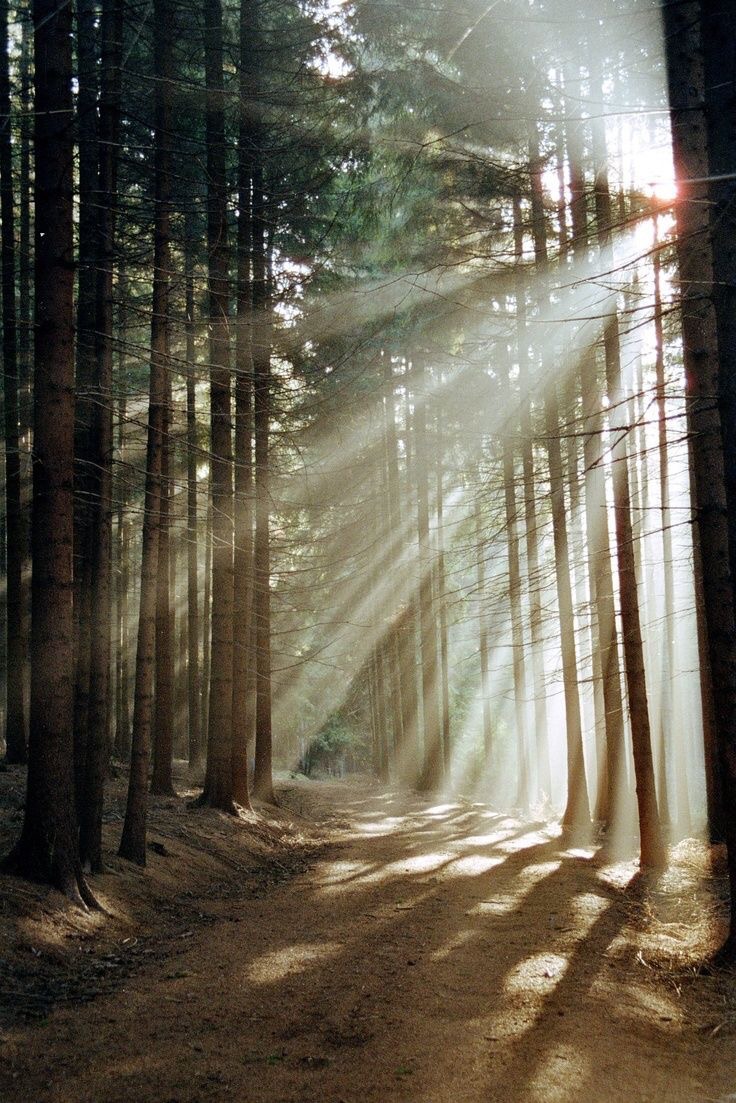
It’s so still out there, so waiting. That sense of shh, don’t worry, it will come. It’s there in the way the sunlight holds the branches, in the faint call of a hidden bird.

And I pause, breathe, that’s all. And it passes by my window, up to the left with the sparrow wings and he watches me, watching him, watching them all. We slow down, the birds and I, pause to think of sunlight.

And there they are, my creatures in the trees, pecking and singing, ruffling new feathers in this spring. And I wonder do they sense their descendants, the ones I knew, the ones who gave me feathers years ago.

And while they sang outside that window from back there, in that house then, the hem of the dress caught the light as it lay out on the bed, as if to say look at me, look at me, lift me up into your arms. And later, a little later it would be held up as I clambered inside, as I manoeuvred into my new form, like a butterfly losing meconium, drying out its fresh wet wings.

Until its weight draped round my feet and I breathed out. Birds sang unseen as the hem brushed the dust down the wooden staircase and over new mown grass to rest and pause, where cameras winked and moments froze.

Sparrows darted to the neighbour’s tree, head on one side and down the path the hem of the dress shuffled leaves until it was bundled up into the car. It sat quiet, being, folded in upon itself, cushioned on the plush carpet of the foot-well until blackbirds cut the air, overarching the church gate.

And there with the creak of old hinges, with the warmth of a palm, with the click of heels on old stone, the hem of the dress made its way home. Home, on the short path to the archway, home to the hush of the slate and it dragged feathers and fronds as it swayed, as it made its way past pews to the front.

And there it rested for a while, settled in ivory, calm where it belonged. The hem of the dress over champagne silk boots, near to sharp creases in suits and it paused, waited, just to the left of polished shoes.

And then sunlight came back to stroke it, came to throw light at the door. The hem swept and rippled, caught the coloured flecks, scattered rainbows all around, then hands scooped it back up into soft contours in the car.

Trees moved above it unseen, voices chattered and laughed while it lay crumpled up and then the grass came back, daffodils nodded and bobbed as it moved around. Photons bounced up from the duck pond, white spots and sparkles, before it coated steps and carpet-brushed itself along.

And it swooned, the hem of the dress with the tiny remnants from the day and it danced over polished floors, glided as though it would always flow, would always sway, as though in its moment there was release.

And later it lay, much later it was still, smoothed out again and silent on the protective bag at the bedside, soon to be tucked far away.

And now hydrogen coalesces into helium, firing light and heat, like it did, like it does. How reassuring as it warms up the blackbird’s wings, as it listens to the soil.

And in a different wardrobe now the hem of the the dress sleeps its sleep, cradled and swaddled in plastic, over unused things and bits and bobs. But in its weft and weave it holds the moments when it danced, when it was free, when it could shimmer and it was home.

For The Canopy

And I will brush up the leaves from the garden, so delicate and fragile in my hands. I will place them in small piles on my outstretched skirts and stroke each one in turn. And they will be so glad of the sunlight and of my cotton layered skirts on which they rest.

These leaves, these moments from my trees, my overarching glades that kept me safe. How gentle they sit in the folds of my clothes, how grateful they are for my care.

The trees are bare now but their silhouettes echo out my life, the shapes that formed me, the branches that held me close and I will dance in their shadows, I will blossom again.

I stroke the leaves in my lap, they appreciate my warmth, my hands that soothe them as the photons lift the last of moisture from their form.

I watch them, crumble into the weft and weave, fragments of leaves in my skirts. I kiss each one. I thank each one, each particle, each atom of my leaves then stand to go.

As I pull myself to standing, full of warmth despite the cold, they scatter to soil. They drift and drop, replete from the day, ready to take on the earth.

And I spin, I twirl round and around, my skirts billowing out, floating up like a balloon in a hot summer’s sky. Dancing under the canopy where I grew, sewing seeds on the breeze of the trees yet to come.

And we are whole and we are rested, where noon’s a purple glow. My leaves and I, together and we are safe and we are one.

Sediments

She wondered about the grains of sand, would they still lie there, would they be there, somewhere on the beach where she ran. Or have they been washed out to sea, floating somewhere else or swallowed by fish or washed to a different port, a different country that they visited.

And the steps back up to the top, the winding cliff path with its haphazard stones and rocks. Would they still be in place or would the slate have fallen, helter-skelter down into the heather and gorse. Maybe moss covers it over now so it lies unseen by new passing feet.

And she wondered where the tea cup would be now, the fine bone china with fragile flowers and golden trim and the rose painted plate holding crumbs from the scones.

Were they broken by now, smashed on terracotta tiles, maybe chucked into some landfill. Or chipped and loved, were they cosseted on a shelf somewhere, in a cupboard, unused but cherished even now.

But she knew where the slate slabs were, the ones that smacked into her thigh as she ran, the ones she’d chosen when fluff-deep in parka pockets she charged across the sands.

They were close by even now, catching light despite the bandaged sky, in the basket to her left. And she lived there next to them, on top of them, beside them. There, where the slate remained the same despite the years and if she cradled it in her hand, her hair would whip up in sea gusts and scone crumbs would drop back to the plate. A tea cup would warm her cold hands and grains of sand would scatter and dance delirious as her small feet pushed the beach. The hours washed away, eroded. Rose and fell and rose again and she was running now towards him. Always on this day.

Ps. And she recalled that he rescued a bird.

To Bring Us into Being

And the front door always sticks a little, heavy to the pull. But down goes the brass handle and I bring it in towards me as you appear. You bob in from the left, all jokes and eyes and jumpers, grey and white Fair Isle. And I’m just there, holding the door handle, looking at you, looking back at me.

And then handshakes and the laughter comes and whispers in the kitchen all rush back. And there is ham salad, of course, tea and apple pie while my little cat fusses around my legs.

Later we are out and I’m in red and black but not the velvet hat, not in those days. I keep it in the drawer instead and the Mason’s Arms appears with the younger me at college, sitting somewhere out of sight. But we walk past her, walk into their lounge and in the ancient arm chairs we drift in and out, you on the death penalty, no doubt and me on Klee and Kandinsky. I flit, topic-hopping from thought to thought like a delirious bee craving pollen. And it winds you up at the start.

Until replete, hours later, we wander down to Brueton Park and through the metal gates to the bird cages where nothing but their perches remain. We crush weeds on the abandoned path, aimless chatting in the stillness, amongst lost feathers and the sense of flight.

And then the bench. There was always the bench and I’m on the left as if to anchor me to the place where I would remain. Then walking back across the dips and hillocks, (with low clouds just like now) you take my hand.

Evening arrives at The Fat Cat Restaurant where we loiter with red wine. And we sit round the back somewhere, hugging white stone walls while their ceramic bowls of chicken fill me up. The spotlights throw up dots from high gloss glaze.

Till later, a little later, kettle boiling in the kitchen with your hand on my hip and then we sit. And so the settee rises, green and soft, with little tufts around the edge, little frayings while the tea cools down.

You in your favourite jumper and me my black waistcoat with thicker hair. You brush it away under the soft certainty, under the tick-tick-tick of my parent’s mantle clock.

I’m A Little

I’m a little bit leaving.

I’m a little bit car loaded, heading south, Pendle growing smaller to my right.

And if I could, I would stop the car. Bring it to a halt, all of it. The January day. The normality. And I’d run down the side of the M62 and over the crash barrier and I’d fly, as though my bare feet were never made for soil.

And I’d clamber, higher, faster, until the motorway would fade and my raggle-taggle gypsy feet would bleed. Pink rivulets in the frost, cut and blistered in the iced up air, but I’d be there.

My skirts torn, little frayed bits of me on bracken but I would climb. And our car heading south would be a dot. A pinpoint of time that never happened.

And from the top we’d see our helter-skeltered route to where we’d stay.

And I’m a little bit there.

I’m a little bit stop the car.

Please. Please.

I’m a little bit don’t head south.

White Cloud


It always comes back to blossom, every year no matter what. And her road wound its way, like it did, up from their tiny home and turned left.

The colours started then, the froth and flutter like the taffeta scrunched around her, filling the back seat, like their petals filled the sky.

And turning right around the roundabout where she would take their unmade child, where school walks would be full of leaves and sticks, she saw her village on the right.

It ebbed away like her childhood, tucked safe inside her like the hidden garter on her leg and they drove on. At the junction trees came out to cheer her, smiled and waved in baby pink and candy whites as though they’d been grown just for this day, as though their only purpose was to shine.

And she sat and shimmered. Another roundabout and the hill eased down into her town, traffic lights held them while cherry flowers bobbed and frilled. Down and down, through the sap lined chorus, till a sharp left and squeeze of her hand. A chauffeur’s smile like the morning, as if he were the creatures in the branches turning their gaze towards the car, and calling out ‘look look, the blossom is out, watch her swirling now.’

And she sat. Two turns to go and moments folded round her, people scattered and petals burst, giddy, gleeful as though this was the first day to sing.

A route they’d travelled and planned with care through autumn leaves, but now every branch etched the sky just for her and every blossom swooped like swifts dived and murmured, like swathes of bird’s wings coming home.

Last turn right, until gates framed her, frills and fussing, with flowers in her arms. The tiny church path held her ivory feet and she came out in the blossom, like her day, like her trees, like her moment to stand out in the sun.

Leaves sparkled as she swept, soft pink, white scent before the hush. The cherry trees came out to hold her, to show her how to live. Bursting full, grabbing hours before they ease their colours to the ground.

Every fanciful floating petal was waiting just for her and she brushed towards him like a cherry tree in bloom.

Quayside Keeps

Such a quiet bird, she thought and then a sky song spiralled out. And it sang as though it always had time for feathers, as though this was its home. And she saw herself, ship high and blown, above the docks on rising waves and it was here, next the creaking beasts up top and with blustered hair, that she grew. 

Here, that her sense of wings exploded to the seas, it was here and always would be. Down underneath its hulk, by the menshouts and leaden ropes there would be bicycle wheels. On pavements grey there would be spokes turning rubber, metal rubbing, gears changing and younger than her, his speckled legs would be pushing on the pedals that she couldn’t see. 

And there he was, escaped and expanded, exploring the docks by himself. Whiteout at his side, slabsteel towering high and he looked up. Painted letters sang out her name and he was there, adrenaline pumping, muscles aching, boundless and new on his bike.

And he grinned, up and up, to the top of ship, he squinted in the light, hair with a single curl at the front that zinged up like hope, like irrepressible joy and he was young. 

She looked down, wings nestling in her back, thin greying hair, a testament to travel and as grunts of men hauled ropes and chains released her, she swayed towards him. 

He paused on his bike, so young and persistent, with a button bright mind, sabatier sharp, the boy who took her hand across the years and from the quayside his story burbled into hers, in the churn and spume, in the chaos of waves, his eyes locked onto hers, always and he freed her. 

Wings ruffled bright, as her daysong followed the clouds, she saw him, and because of him  a boy on a bike, she flew.


For the Waiting 

It was silent apart from the ticking of her clock, apart from the ringing in her ears. And in the garden, the edge of Autumn had begun. It crept in on the warmth of the leaves, in the morning sunlight making shadows on the wood. The door to the summerhouse was still open and in the reflection in its windows was the light pushing through her trees, there was a liquid ripple of her home and she was still.
Inside the summerhouse it was quiet, apart from the tick of insect legs, apart from the spinning of webs. Leaves blew in, some crinkled, some dried and dust strings hung over the stiffened window frame. 
It was nearly Autumn, it was silent apart from the tweeping of birds, apart from the twinkled blue sky. The clouds embraced her to the right, brief fluffles and whisps and they whispered. 

It was silent apart from the voices in her head, apart from the trundle of wheels. And as she watched the quiet growing of the weeds up through her patio, she heard people talking low, calling to her, reassuring her and they held her hand as breathed out. Long, deep hope filled air escaped her mouth, as she pulsed, as she pushed. And when evening came she was lying still, watching the ceilings move and everyone wore green. She thought, green like the garden we’ll play in, green like trees that protect our home.

And in the silence of the morning when the tick of the clock knew her name, she listened to her garden, to the warbling throats of the birds and far away the voices called her and from far away they came close.  

Up to her, next to her, beating up and out of her and she lay and tears fell down as they worked at her side. It was green out in her garden, it was on the edge of turning warm.
It was green in her mind as the faces smiled and focussed and looked down. 

It was so quiet. It was silent in her home, apart from the sweetness of birds, apart from the waving of leaves and she opened her eyes as they rummaged inside her. 

‘Do you want to see your baby now?’ they called and she blinked wide, and cried as he was lifted up from her, pink and red and new and there was no silence. There was the sound of lungs filling with air, of his first cry blurring with her own. And they were there, together new and safe, his warmth like the comfort of Autumn, his skin like the softness of hope and she looked up.

It was silent apart from the ticking of the clock, apart from the ringing in her ears. The sun had moved up the summer house, the colours deepened, the memories rich and fresh amongst the fallen leaves.
It was morning on the edge of Autumn and she was wrapped in silence and the weight of him, new in her arms.

It was silent apart from the calling of pigeons. The sunlight lit their breasts and they flew off. It was almost Autumn and she was swaddled in the day, in the moments. She held him warm up to her cheek and they were young.


Navigation

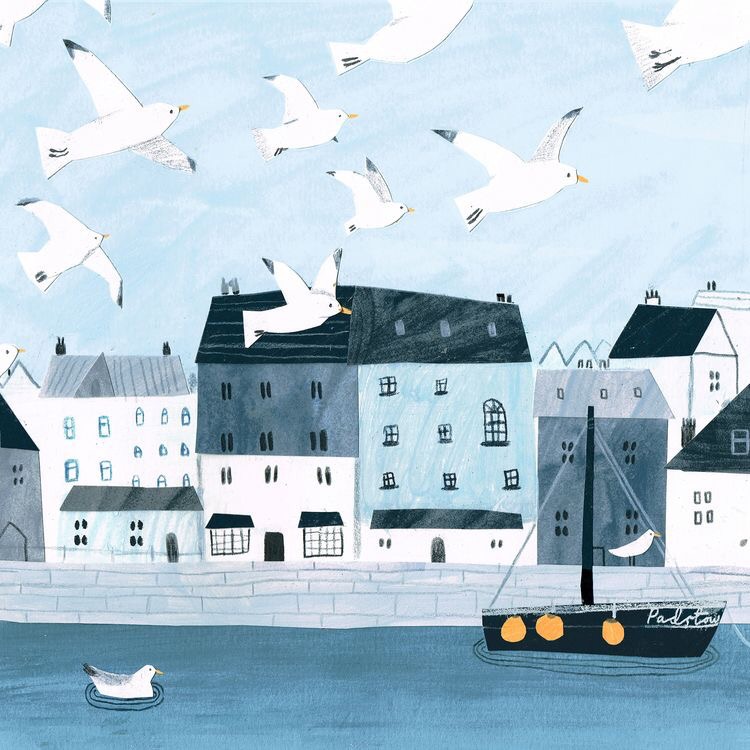
The seagulls are back today, they swoop around, they circle her old home and from their wings she sees the carpet in the lounge, how it turned from spiralled blues to pink. And she sweeps above the kitchen, where the corner chair became a cupboard for the pills, opposite the kettle where she first made him a drink.

And as she looks, the seagulls fill the rooms, their wings waft feathers in her face and carry her upstairs and there they beat the air, there they hover at the edge of her old bed, with its camblewick green cover and in the light that lifts from day to night and day to night again, she sees herself lying, turning, holding thoughts.

The cupboard to the right is silent, where the drawer is stiff, the rich deep wood and a lamp stand of fading brass. She can smell the scented carpet and the polished trinkets, there, on a painted window sill that overlooks that world and as her seagulls settle and fold their wings she smells the coast.

Bedruthan rocks wrap around her and as the sand sneaks in her trainers she pads the beach towards him, laughing, parka flapping in the cut of air, then back.

Seagulls resting on her bedspread, her bed by a bookcase from her youth, crammed with early interests and they whisper. The ivy green curtains are closed, the lamp is off. Her seagulls watch over them, their words and murmurs.

And it’s August. They ruffle feathers around her and lift her up, away from her black and white skirt on the chair, its bells silent and the birds sing out, it’s always August, they call out, we’re always there.

For The Ravens’ Song


4eac07e60037819937d8e357b11bf18d

Ruby liked to dance, she liked to wear layers of skirts and things that jingled and she spun herself around. And if it was a Friday she would sing. Fridays were the days when she went into town and she allowed herself the luxury of visiting the Tiffin Tea Rooms. How the owner Mrs. Joyce would crinkle up her face when she came in and she’d sit by the window near the plastic flowers and stare out. Mrs. Joyce would bring the teapot over, always assam and ginger and a slice of sticky marmalade roll.

‘So, thank the good Lord for a Friday,’ she would say and wolf it down. The butchers would save her a rabbit and it lay on the slab out the back, by her string of sausages, plump and pink parceled up in greaseproof paper.

‘I’ve saved you a titbit,’ grinned Mr. Jarvis and she took it from his blood-stained hands.

‘See you next week,’ he called out as she left the stench of carcasses behind her. But it was Friday so she allowed herself to buy the wine, nothing too fancy, you understand, just something smooth with plum based notes, to sand down the edges of her day.

The Morris dancing had been going well, she’d joined the group when Angie in the Post Office pointed to the advert in the window just above,

Honda mower, runs well offers over £90.

‘You show ‘em, Girl,’ her Mother used to say, and she did. She danced as a child, she danced around her wedding bed and there, in the town square despite the pain in her back and the corns on her feet, she stomped and swayed and she beamed from the side-lines as her new friends mashed up the ground. Of course, the cramps came late at night, in her shins, after the hours of skipping but she was determined to do it.

I will do whatever it takes, she thought to herself, to be that dancer, I have to let this rhythm out. Her costume glinted and shone, made with care over months as she sat at her old singer sewing machine. Her Grandmother had left it to her and despite its age and outdated mechanisms, it purred and joined the rag-taggles of fabric to each other. She coated her hitting-stick in tar, till the smell of bitumen made her eyes water and before it dried out she rolled it in plastic jewels from her childhood jewellery box.

She remembered her friend, Lyn, whose new heart necklace had knotted up on itself and how she’d sat on the bed in her bedroom, picking at the chain with her slender fingers. She spent ages on it while Lyn came and went and bought cake in that her Mother had baked in the afternoon. Ginger cake, almost too spicy and when the knots gave way to her fingers, she ate the cake and Lyn cried. She thanked her and hugged her and told her they would be friends forever, but they weren’t.

The jewels burned out of the blackness like fragments of hope and she twirled it in her hands and the costume ruffled as she climbed inside and hid away under the headdress. She had constructed it from her favourite hairband with a tangled mess of wool and wire, feathers thrown in, here and there, ones she’d bought from the craft shop by the river but mostly the ones from the park, on her walks, where she pinched them up from the earth or found them under bushes and she brushed the soil from their softness and combed them back into shape when she got home.

She felt such a power in her costume, as though all the times in her life when she’d felt fragile and broken, were just a dream, an aberration from the girl she used to be. And here in her kitchen, by the warming pot of stew, under the rosemary hanging up high, she felt so strange. And the strangeness took her by the hand to the mirror and the strangeness showed her her face, feathered and free, released from the old form as she nodded away to herself.

‘This will do fine, my dears,’ she said to her ornaments and cages of stuffed animals. Ruby ruffled her feathers, she opened the front door and sniffed the fresh air.

‘My dears, I do believe it’s time,’ and she climbed her spiral stone staircase in the corner of her lounge. The wall was cold like it always had been, the lumps of raw stone jutted out and she stroked them with her long fingers as she made her way upstairs. In the bedroom, her cheval mirror smiled back at her by her walnut dressing table with silver topped perfume bottles and photos of her cats. The once white lace doilies had turned to cream but their patterns were so intricate and in each thread, she heard a bird song, a calling from a distant beak and she glanced at them. It had been years since she used to iron them on a Sunday morning, to spruce up her room for the week but when she did, when the windows were open and the crows made themselves known, she would count. Ruby counted the threads that made the snowflake pattern and the picot edge framed the central star shape with nine tiny flowers.

Counting always helped to calm her down but she didn’t need to count today because now she had her feathers. She shuffled towards the arched window that flooded her small room with light. The window had been her reason for buying the property 48 years ago, how it filled her with joy, how even then it felt like a doorway to another world. She would sit for hours watching the sparrows hop from branch to branch as she made lace, as her fingers blurred the shuttle to and fro.

She stood in front of the window, shook her shoulders, making her feathers fluffle and shimmer and she was ready.

‘You know, my dears,’ she said to a room full of memories, to the ornaments and photos from her life.

‘You know, I am finally able to sing.’ She stepped forward, her white hands took the wrought iron handles of her windows and she pushed them down. They resisted, stiff with age and then gave in. The panes quivered as she forced them wide filling her bedroom with the smell of the countryside, with the thick scent of sheep and distant hum of traffic. Her garden had never looked so beautiful, the lupins swayed, the hollyhocks swirled like a bride on her first dance and the snowdrops turned their faces to the sun.

Ruby took a long deep breath, filled her lungs with hope and clambered onto the windowsill. She opened wide her arms, her wings rumbled and creaked and then she jumped.

‘I’m coming, my dears,’ she called and opened wide her beak, joyous notes spiralled out as flew up into the warm summer sun.

19376e2b38ee5d3a22f839706151777e